[Webinar] How to Close Identity Gaps in 2026 Before AI Exploits Enterprise Risk
كتر من مجرد تناقض: سد فجوات الهوية قبل ما يستغل الذكاء الاصطناعي مخاطر الشركة ديالك
Beyond the Paradox: Closing Identity Gaps Before AI Exploits Your Enterprise Risk
TL;DR
Despite maturing Identity and Access Management (IAM) programs, enterprise risk is rising due to "dark matter" applications—legacy and siloed SaaS tools disconnected from central governance. In 2026, autonomous AI agents are now exploiting these gaps, necessitating a shift from manual credential management to operational control.
The 2026 Identity Paradox
As we navigate the threat landscape of 2026, Chief Information Security Officers (CISOs) are facing a frustrating reality: their identity programs are more mature than ever, yet the overall risk to the enterprise continues to climb.
New research from the Ponemon Institute highlights the core of this issue. The typical modern enterprise is currently operating hundreds of applications that remain entirely disconnected from centralized identity systems. These disconnected systems—often referred to as "dark matter" applications—exist outside the reach of standard security governance, creating a massive, unmanaged attack surface.
The Rise of "Dark Matter" Applications
Modern organizations have poured significant investment into Zero Trust architectures and IAM frameworks. However, the "last mile" of identity management remains a stubborn obstacle. This blind spot is comprised of:
- Legacy Applications: Older systems that don't support modern authentication protocols.
- Localized Accounts: Credentials stored within individual platforms rather than a central directory.
- Siloed SaaS: Software-as-a-Service tools purchased at the department level without IT oversight.
While these gaps were once seen primarily as compliance headaches, they have evolved into critical vulnerabilities.
How AI Amplifies the Threat
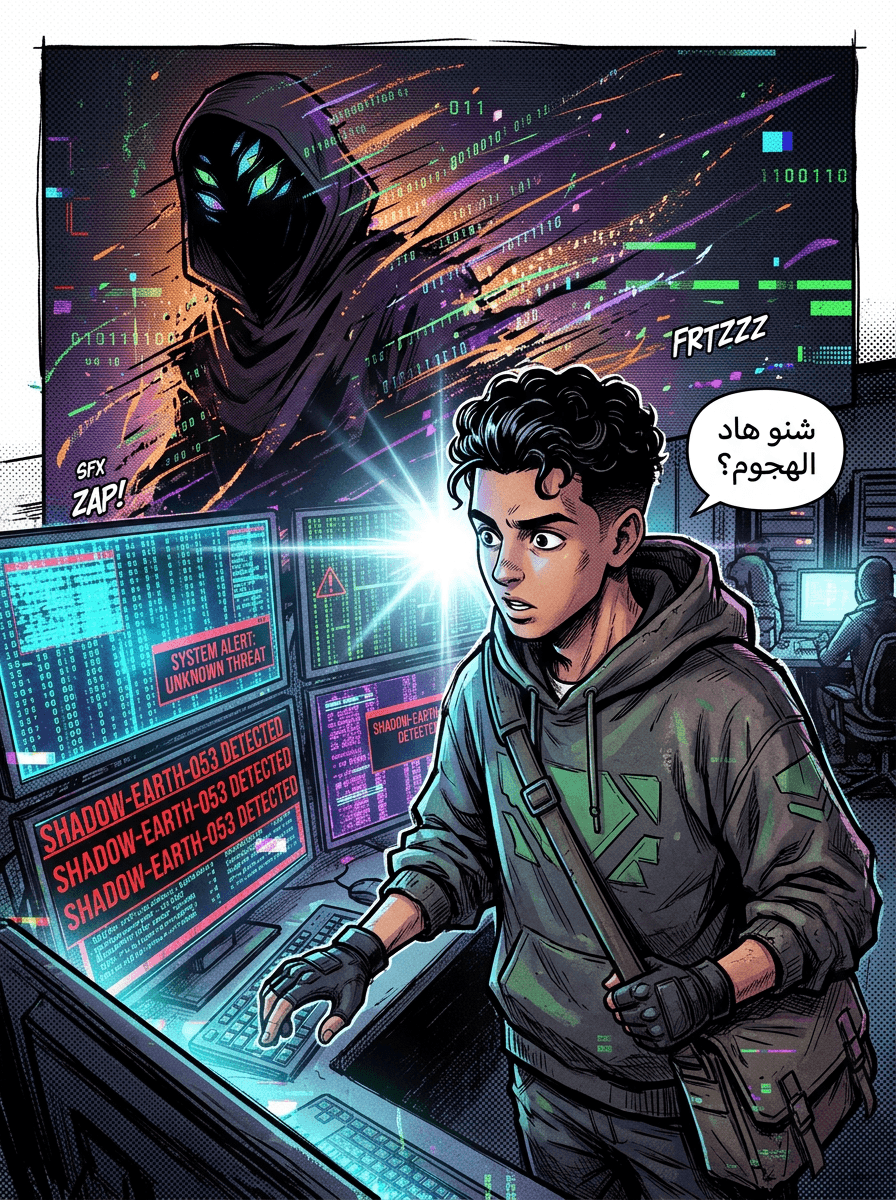
The entry of AI into the workforce has fundamentally changed the risk calculus. As organizations deploy AI "copilots" and autonomous agents to bolster productivity, these agents require access to data—including data stored within those disconnected "dark matter" systems.
Because these applications lack centralized control, AI agents are inadvertently amplifying risk by:
- Reusing stale tokens that should have been rotated.
- Navigating "paths of least resistance" via localized accounts that security teams cannot monitor.
- Expanding the attack surface through autonomous actions that human threat actors are now aggressively exploiting.
Moving from Maturity to Operational Control
Relying on manual password resets and credential fixes is no longer a viable strategy in 2026. To address this, security leaders are moving toward tactical remediation to regain control over fragmented assets.
To help organizations bridge this "Confidence Gap," The Hacker News is hosting an exclusive webinar featuring Mike Fitzpatrick (Ponemon Institute) and Matt Chiodi (CSO at Cerby). Based on a study of over 600 IT and security leaders, the session will provide a roadmap for securing the most fragmented parts of the enterprise.
Key themes of the upcoming 2026 Identity Maturity Briefing include:
- Shadow AI: Understanding how autonomous agents expand the disconnected surface area.
- Benchmark Data: Assessing how your organization’s identity maturity compares to industry peers.
- The Cost of Inaction: Why manual management leads to audit friction and stalled digital transformation.
Conclusion
In 2026, "doing more of the same" is a failing strategy for identity security. As human and AI threat actors target the gaps in centralized governance, CISOs must prioritize bringing "dark matter" applications under operational control. Closing the identity gap is no longer just a technical checkbox—it is a prerequisite for secure AI adoption and enterprise resilience.
Source
How to Close Identity Gaps in 2026 Before AI Exploits Enterprise Risk